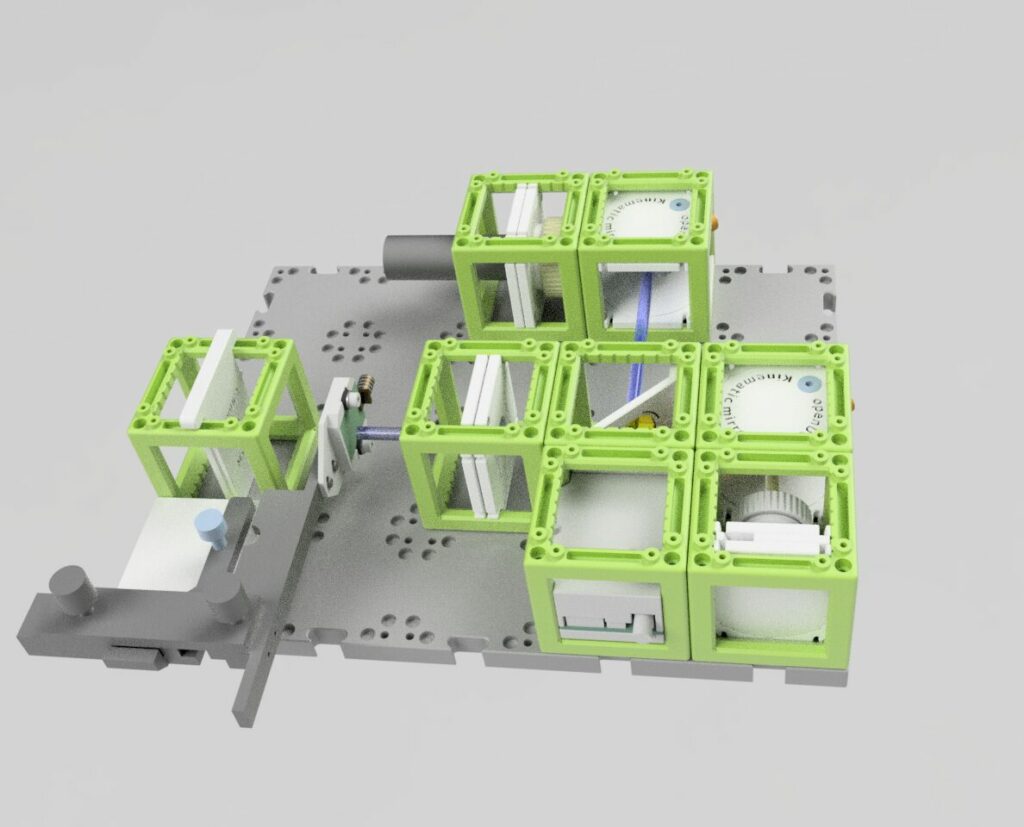
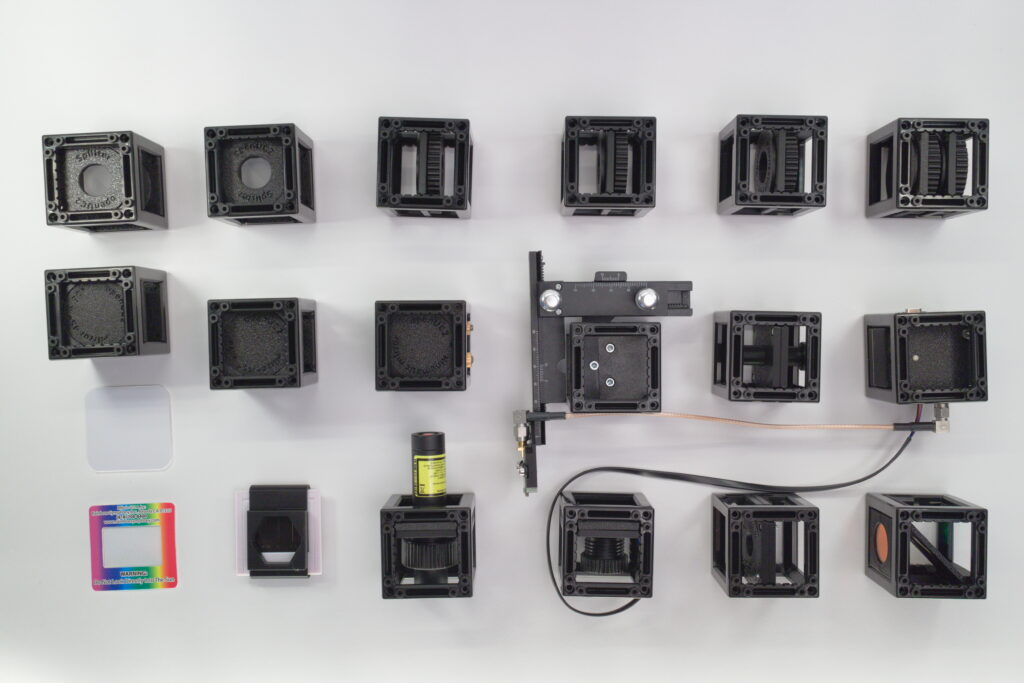
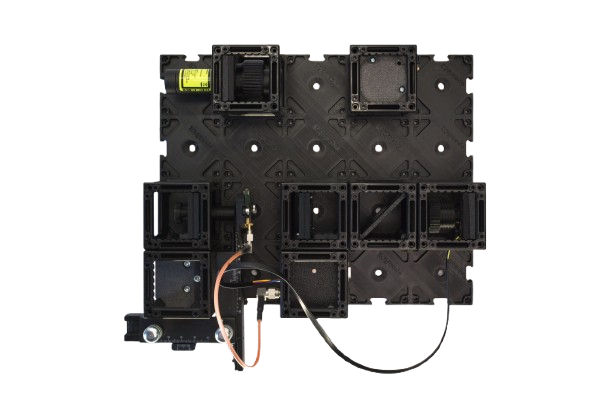
Add true quantum-optics experiments to the Discovery Line. qBOX uses the same UC2 cubes as the Core kit and supplements them with a green laser, microwave driver and NV-diamond stage, taking learners from ray optics to room-temperature quantum sensing in minutes. Every module that fits inside our injection molded cubes (now v4!) is 3D-printable, replaceable and the complete setup stays around €1 500.
Same platform, next level – extend any Core setup without replacing parts.
Budget-friendly quantum lab – first fully open-source ODMR kit for around €1 500.
Interdisciplinary – physics, biology and data science in one toolbox.
Learn how to code: – the firmware on the Seeed Studio ESP32S3 Xiao is fully open-source (get it here https://youseetoo.github.io/)
Scalable & repairable – print new cubes or swap optics as you iterate.
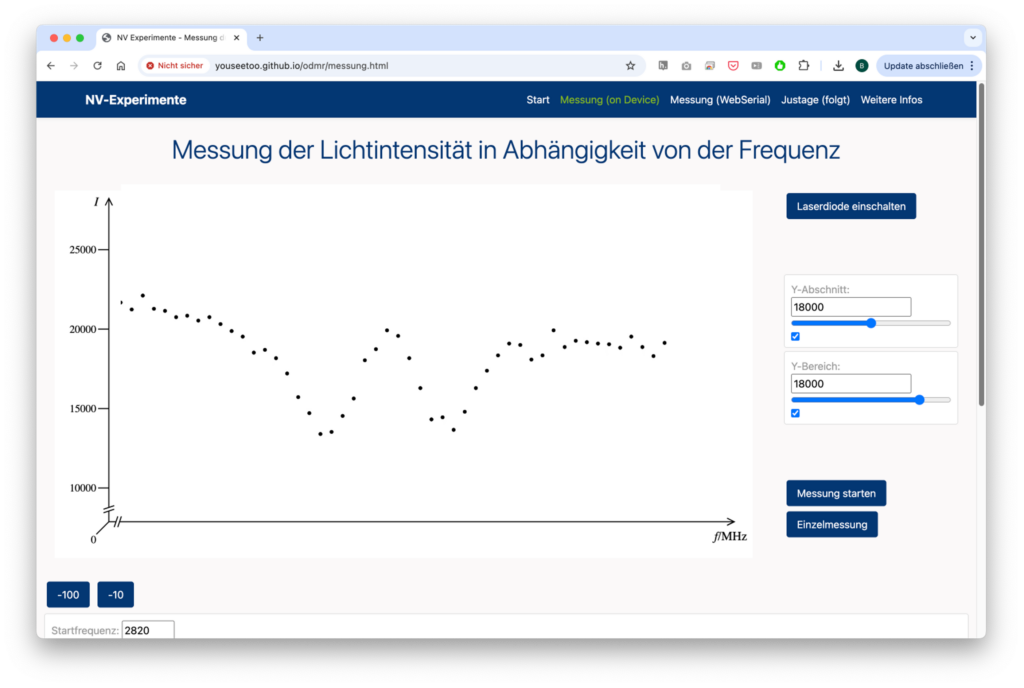
Go to youseetoo.github.io/odmr, connect to your board via WEB-SERIAL and start experimenting
Digital guidance
A browser-based wizard walks users through alignment, microwave tuning and live data capture. Fluorescence intensity and ODMR spectra stream directly to Python notebooks or CSV, enabling immediate analysis and challenge-based coursework that blends physics, engineering and data science. The firmware for the esp32s3 can be found here https://youseetoo.github.io/
"The Q-box is fantastic for learning and exploring quantum science. With a minimum of set-up time, you’re able to quickly explore ODMR, interferometry and other frontier quantum concepts. Really recommend this as a tool for exploration, outreach, and laboratory education – or even if you’re just an enthusiastic scientist at home!"